
Why a Skin Cancer Check is Key to Early Skin Cancer Detection | Mole Check Clinic
When it comes to skin cancer, Australians face a level of risk that few other populations experience, yet many people still put off getting their skin checked. The reality is that early detection can make a significant difference to treatment outcomes, and a routine skin check is the most reliable way to catch changes before they become serious. In this blog post, Mole Check Clinic takes a look at why regular skin cancer checks should be part of every Australian's healthcare routine, what the process involves and how to make the most of each visit.
The Australian Skin Cancer Context
Skin cancer is one of the most diagnosed cancers in Australia, with UV exposure throughout a lifetime accumulating in ways that aren't always visible on the surface. Many skin cancers develop slowly and without obvious symptoms in the early stages, which is exactly why waiting until something looks concerning isn't a reliable strategy. By the time a mole or lesion becomes noticeable to the naked eye, changes may already be well underway. Adopting a proactive approach and making skin checks a regular part of your healthcare routine is the most effective way to manage the risk.
What Happens During a Skin Cancer Check?
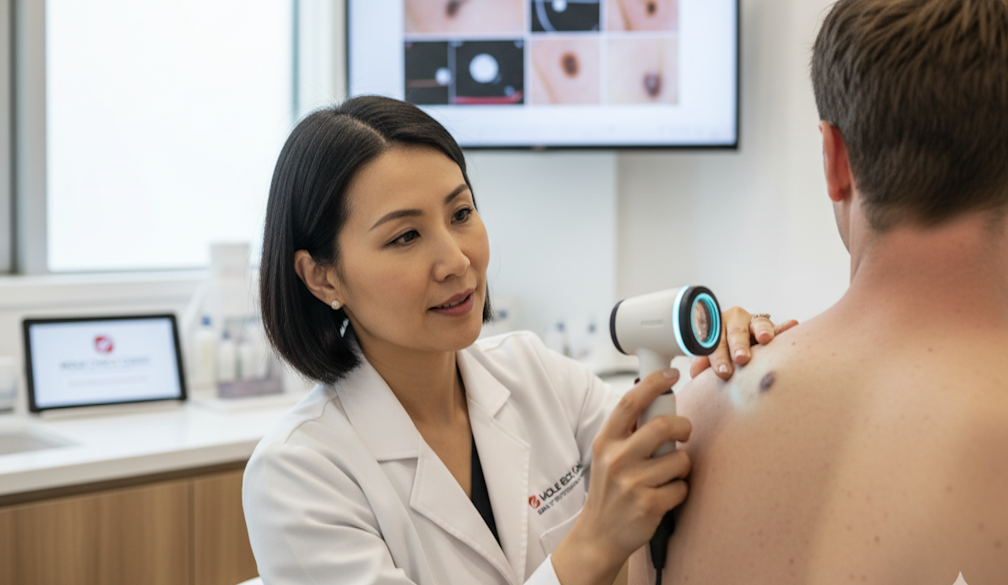
A skin cancer check involves a trained doctor examining the skin from head to toe, using a device called a dermatoscope to get a detailed view of moles and lesions that the naked eye can't fully assess. Any spots that look unusual will be examined closely, and if something warrants further investigation, the doctor will discuss the next steps with you. The process is non-invasive and typically straightforward, and most patients are surprised by how quick it is. At Mole Check Clinic, skin checks are conducted by doctors with significant experience in skin cancer identification.
How Often Should You Get Checked?
How frequently you should attend a skin check clinic depends on your individual risk profile, which includes factors like your skin type, history of sun exposure and whether you have a personal or family history of skin cancer. For most Australians, an annual skin cancer check is a sensible baseline, although some people with higher risk factors, such as having a high number of moles already visible on the skin or spending significant periods of time working outside, may benefit from more frequent visits. A skin cancer doctor can advise on the appropriate schedule for your situation after an initial assessment.
The Role of Mole Mapping in Ongoing Monitoring
For people who want a more detailed record of their skin over time, mole mapping is a valuable complement to a standard skin cancer check. It involves photographing the entire body surface to create a baseline record of every mole and lesion, which can then be compared at future appointments to identify any changes. This is particularly useful for people with a higher number of moles or atypical moles, as any subtle changes can be tracked accurately over time. Mole Check Clinic offers mole mapping alongside skin checks, giving patients a more comprehensive picture of their skin health.