
Understanding Body Contouring And Its Role In Targeted Fat Reduction
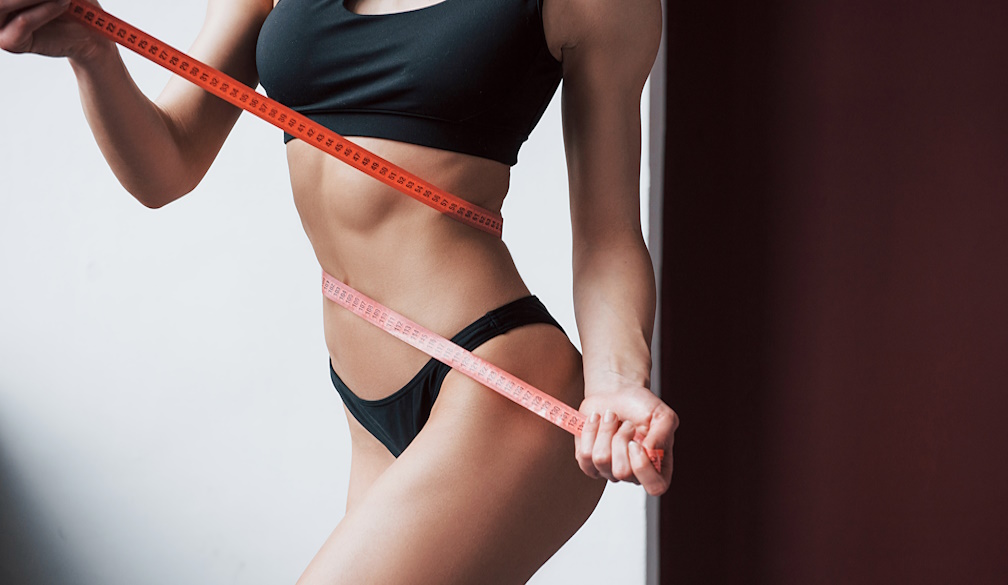
For individuals looking to refine their body shape without surgical intervention, body contouring has become an increasingly considered option. This approach focuses on reshaping specific areas of the body by targeting stubborn fat deposits that may not respond effectively to diet and exercise. While lifestyle habits play a crucial role in overall fitness, certain areas can remain resistant, making targeted treatments a practical solution.
Body contouring treatments are designed to improve body definition rather than serve as a primary weight loss method. They work by addressing localised fat and enhancing the natural contours of the body. This distinction is important, as it sets realistic expectations for individuals considering such treatments.
How Body Contouring Treatments Work
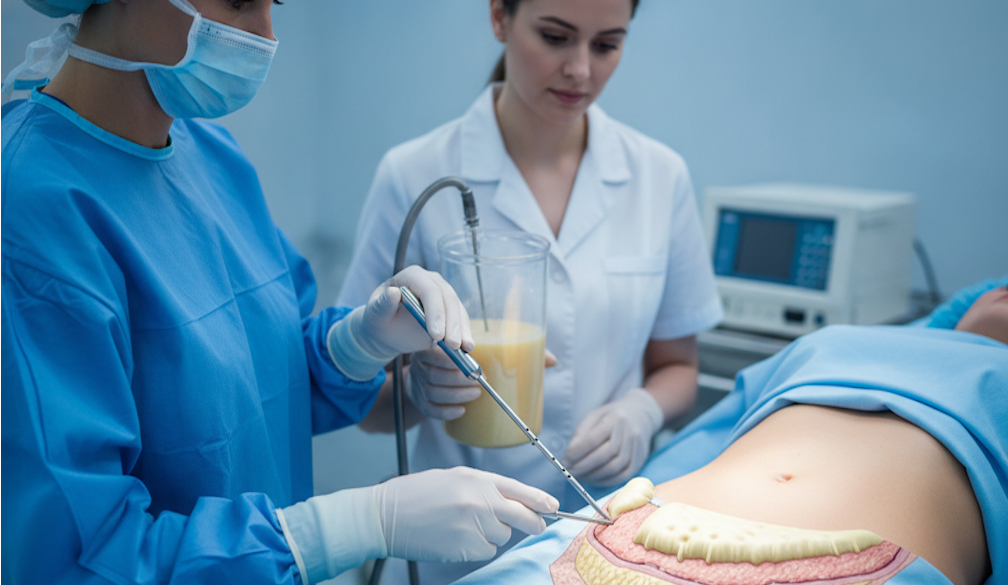
Body contouring involves non-invasive or minimally invasive technologies that target fat cells beneath the skin. These methods typically use controlled energy sources such as lasers, radiofrequency, or cooling techniques to break down fat cells. Once disrupted, the body gradually processes and eliminates these cells through natural metabolic processes.
The effectiveness of these treatments depends on several factors, including the individual’s body composition and the specific area being treated. Results are usually gradual, as the body takes time to process the affected fat cells. This process allows for a more natural-looking outcome compared to immediate changes.
Who Can Benefit From Body Contouring
Body contouring is most suitable for individuals who are close to their ideal weight but struggle with specific areas of fat that are difficult to reduce. It is not intended as a replacement for weight loss programs but rather as a complementary solution for refining body shape.
Candidates should have realistic expectations and understand that results vary from person to person. A professional assessment helps determine whether the treatment is appropriate based on individual goals and physical condition. This ensures that the chosen approach aligns with the desired outcome.
Common Areas Treated With Body Contouring
Body contouring can be applied to various areas where stubborn fat tends to accumulate. These include the abdomen, thighs, arms, and flanks. Each area may require a tailored approach depending on the amount of fat and the desired level of contouring.
Targeting specific areas allows for precise adjustments that enhance overall body balance. By focusing on localised fat, treatments can improve symmetry and create a more defined appearance. This targeted approach is one of the key advantages of body contouring.
Benefits Of Non-Invasive Treatments
One of the main advantages of non-invasive body contouring is the minimal disruption to daily life. Unlike surgical procedures, these treatments typically do not require significant downtime. Most individuals can resume normal activities shortly after the session.
Non-invasive methods also reduce the risks associated with surgery. The procedures are designed to be safe and controlled, with minimal discomfort. This makes them an appealing option for individuals seeking gradual improvements without undergoing invasive treatments.
Understanding The Treatment Process
The body contouring process usually begins with a consultation to assess the individual’s needs and determine the most suitable treatment plan. During the session, the selected technology is applied to the targeted area, delivering controlled energy to affect fat cells.
Each session may vary in duration depending on the treatment area. Multiple sessions are often required to achieve optimal results, as the process of fat reduction is gradual. Regular follow-ups help monitor progress and adjust the treatment plan if necessary.
Post-Treatment Care And Expectations
After a body contouring session, individuals may experience mild redness or sensitivity in the treated area, which typically resolves quickly. Following post-treatment guidelines helps ensure the best possible results. This may include staying hydrated and maintaining a healthy lifestyle.
Results are not immediate, as the body requires time to process and eliminate the affected fat cells. Gradual improvements become noticeable over several weeks, with continued enhancement as the body adapts. Patience and consistency are important factors in achieving desired outcomes.
Maintaining Results Through Lifestyle Choices
While body contouring can effectively target specific areas, maintaining results depends on ongoing lifestyle habits. A balanced diet and regular physical activity are essential for sustaining improvements. Without these practices, new fat deposits may develop over time.
Incorporating healthy habits ensures that the benefits of body contouring are long-lasting. Regular exercise and mindful nutrition support overall well-being and complement the effects of the treatment. This combination helps maintain a stable and defined body shape.
Safety And Professional Guidance
Choosing a qualified professional for body contouring treatments is essential for ensuring safety and effectiveness. Proper assessment, technique, and equipment play a significant role in achieving optimal results. Professional guidance helps minimise risks and ensures that the treatment is suitable for the individual.
Consultation with a trained specialist allows for a clear understanding of the procedure, expected outcomes, and any potential limitations. This informed approach helps individuals make confident decisions about their treatment options.
Conclusion
Body contouring offers a practical solution for individuals seeking to refine their body shape by targeting stubborn fat areas. By combining advanced technology with a structured treatment approach, it provides gradual and natural-looking results. When supported by healthy lifestyle choices and professional guidance, body contouring can contribute to improved confidence and overall body definition.